
Brain Health Mastery
Featured Guides, Courses, Tests, and Questionnaires

Simple movements to wake up your brain and support better thinking.
This free guide includes the Brain Gym exercises shared during the Memory Rescue classes, along with simple explanations of why each movement is helpful for brain function.
These easy activities are designed to support the way your brain and body work together. You’ll learn how specific movements can help improve concentration, brain circulation, balance, vision, hearing, coordination, and mental clarity.
Download the Brain Gym Guide and start using simple movements to help your brain work better.
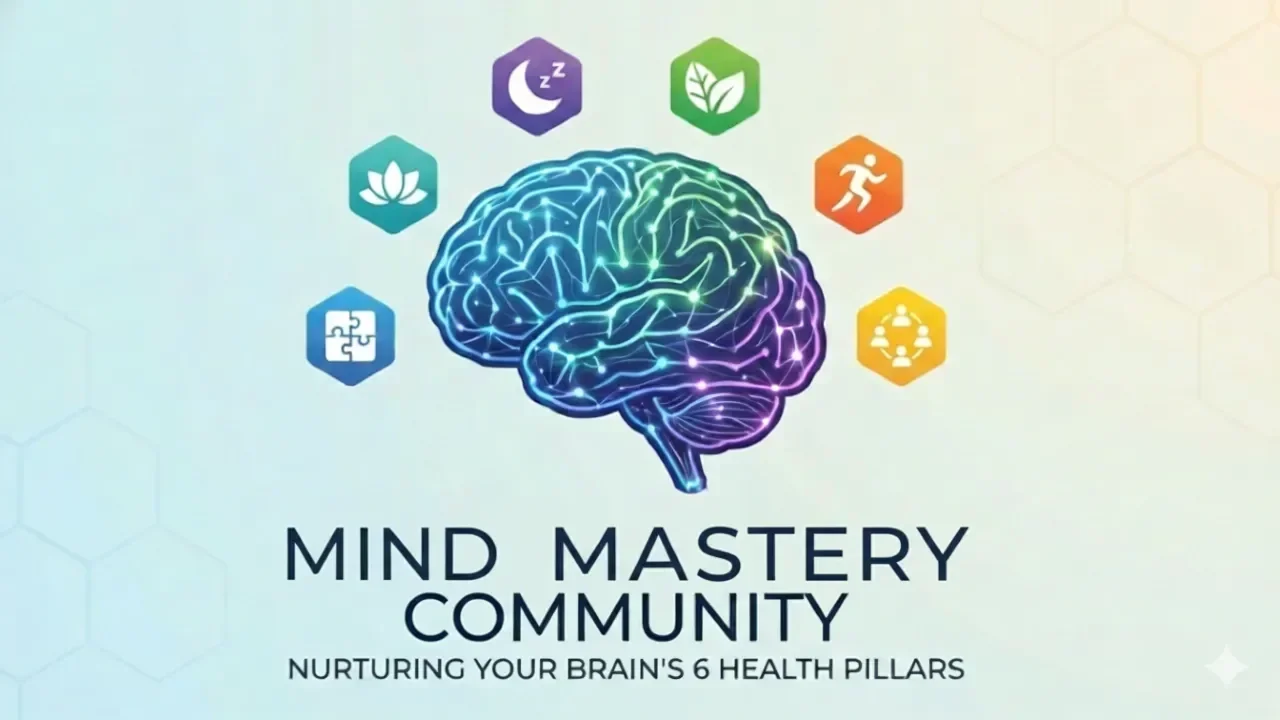
Join my free Mind Mastery Community with many of my favorite brain resources to balance the 6 Brain Health Pillars.
What does your brain need to function at its best?
Your brain depends on the right nutrients to support focus, memory, mood, energy, sleep, stress resilience, and long-term brain health. But everyone’s needs are different.
This online questionnaire helps you discover where your brain may need extra nutritional support. It looks at 14 key areas of brain health nutrition to help identify patterns that may be contributing to brain stress, digestive relationships and neurotransmitters.
After completing the questionnaire, you’ll receive a personalized report showing your top areas of need. The report also includes specific nutritional supplement recommendations designed to support your unique results.


Understand the areas of your brain that influence your focus, mood, habits, and daily decisions. You assess the lobes and brain systems that affect your thinking.
This questionnaire helps identify which areas of your brain may be working too hard or not hard enough. By rating common behaviors on a scale of 0 to 3, you’ll receive percentage scores for each brain system, along with a summary chart of your results.
Any area scoring over 50% may need extra support. These results help guide a more targeted brain health protocol based on what your brain specifically needs.
Your Brain Is Involved in Everything You Do - Keep It Healthy!

MoCA Cognitive Assessment
$25
Get your cognitive assessment done to see where you need to support your Brain Health..

Discover how the main lifestyle decisions you make keep your brain healthy. In this online course, we go through the 11 BRIGHT MINDS factors for brain health, and how they correlate together affect your memory and mental fitness.
This course includes 13 short videos along with worksheets, a Memory Questionnaire, a Glycemic Load Chart, and a BRIGHT MINDS Checklist overview. One-time fee = $27
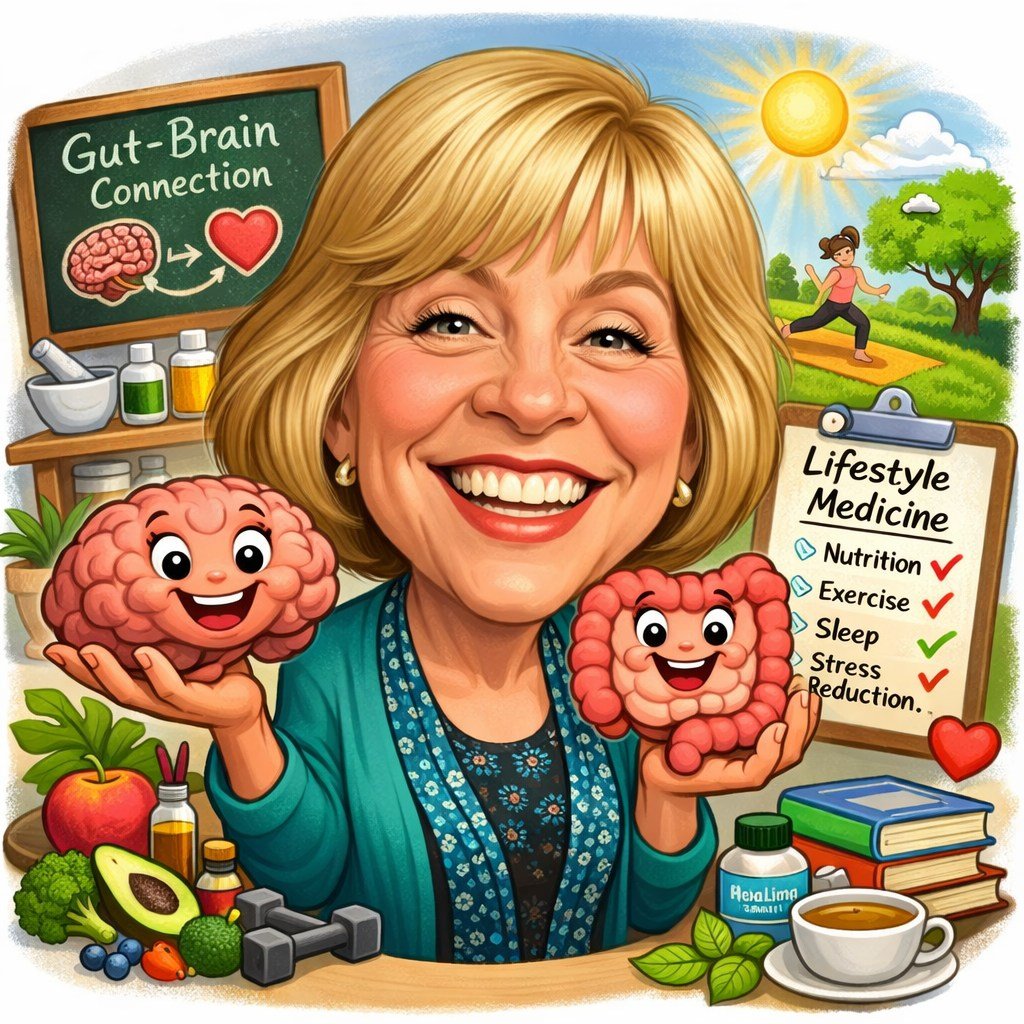
C.L.E.A.R. Gut-Brain Method
Coming Soon!
C — Calm digestion
Reduce bloating, irritation, and digestive stress.
L — Lower inflammation
Support food, sleep, toxins, and stress habits that affect the brain.
E — Energize with stable blood sugar
Use meals and timing to reduce crashes and fog.
A — Activate the vagus nerve
Practice simple nervous system resets.
R — Reinforce brain-healthy routines
Track progress and build repeatable habits.
Your Brain is the Most Expensive Real-Estate in Your Body!
Your brain is a complex organ that functions well with daily support. No one medication or supplement will help. We need to look at physical, mental, emotional and social factors that affect our thinking ability. Learn to empower your mind to with practical brain health strategies that help you effectively manage life's stresses at any age.
Stop Alzheimer’s Before It Begins!

Follow us on social media

Contact Us
Interested in working together? Fill out some info and we will be in touch shortly. We can’t wait to hear from you!